
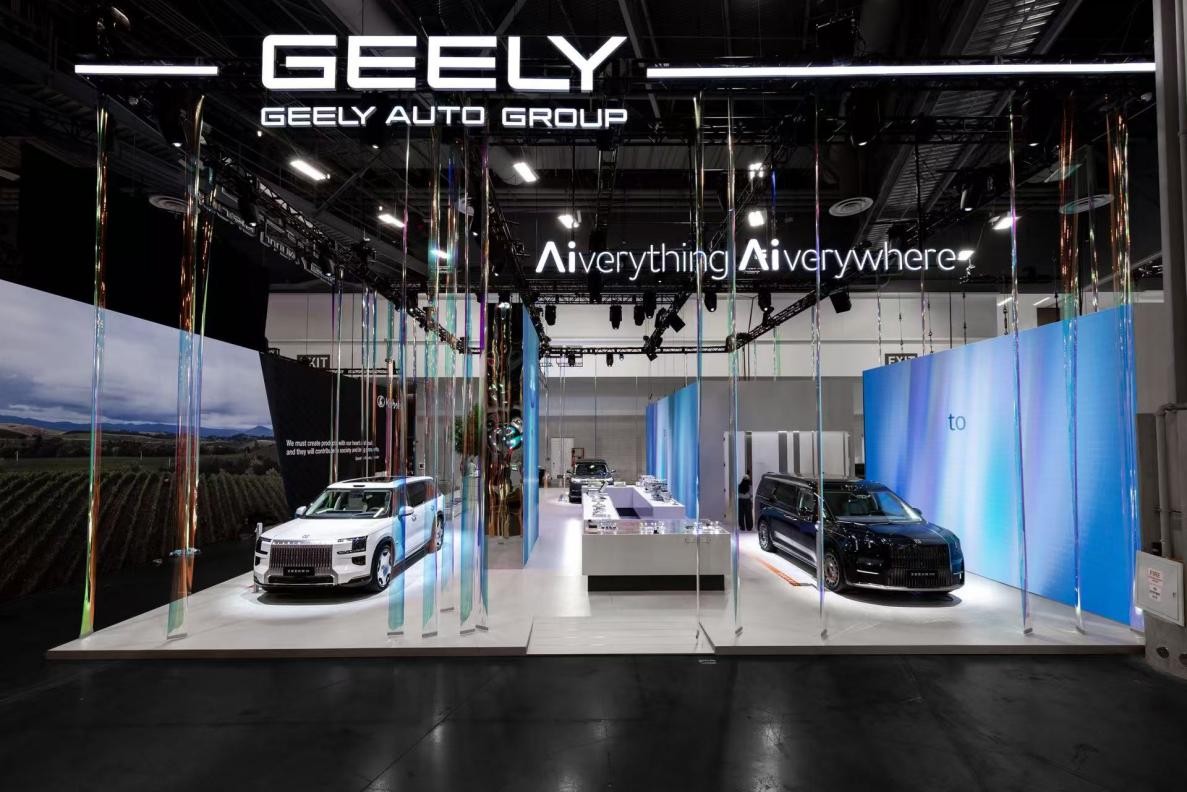

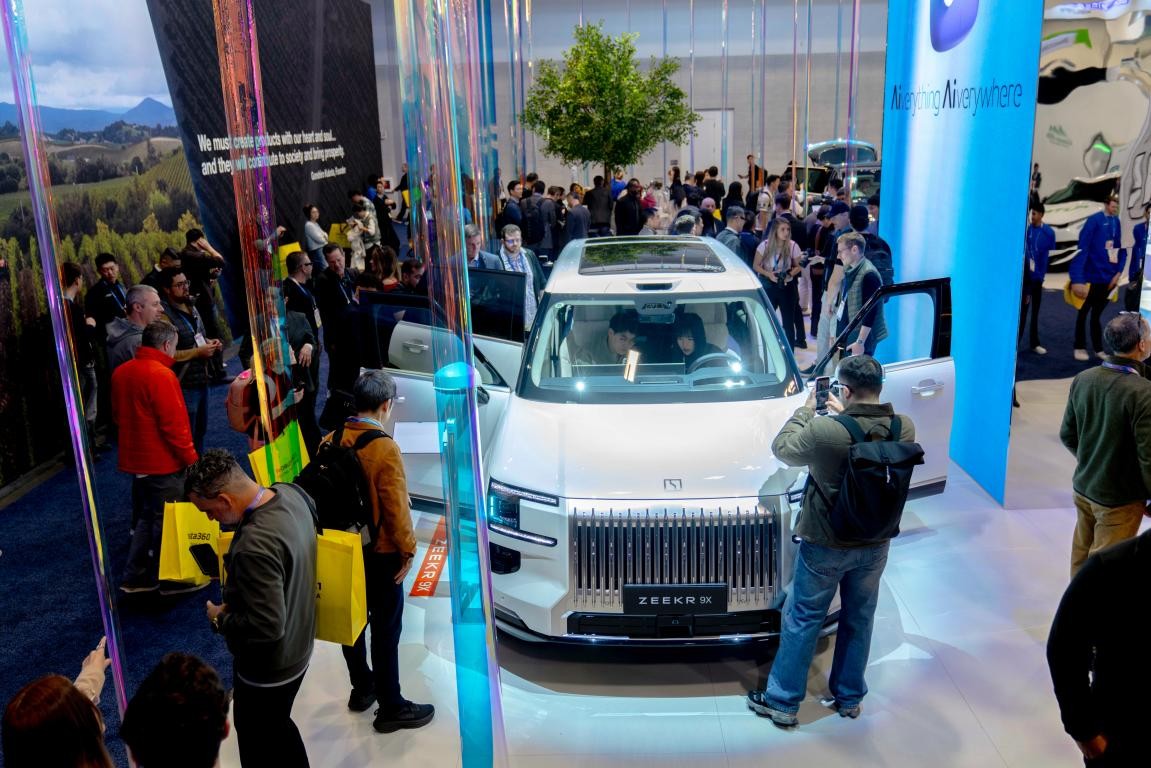
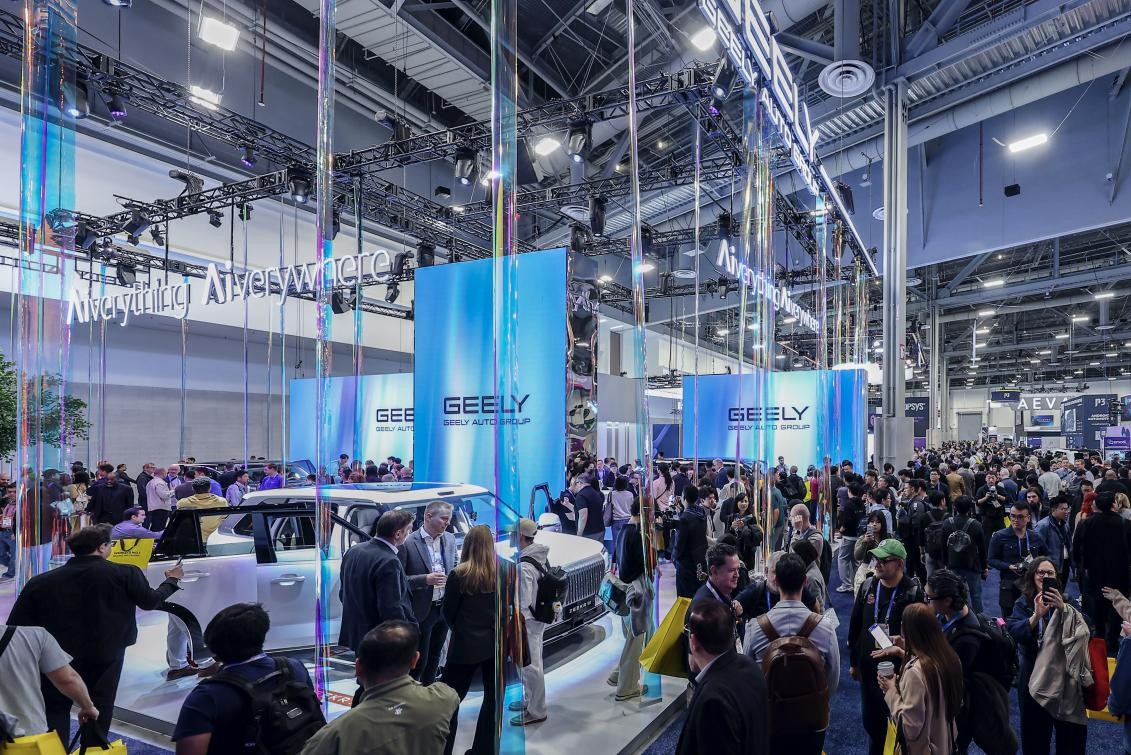
At CES 2026, Zeekr’s full-size electric SUV, the 9X, attracted sustained attention as crowds gathered around the model throughout the show, making it one of the most closely watched Chinese EV flagships on display.
That visibility was matched by strong domestic market performance. Over the past two months, the Zeekr 9X delivered more than 18,000 units in China, leading the RMB 500,000-plus SUV segment in both November and December and ranking first in owner satisfaction on major domestic automotive platforms.
For decades, European luxury marques dominated driveways, boardrooms, and executive parking garages, their badges symbolizing both success and reliability. That dominance is now fading. A new generation of Chinese EVs is decisively entering the highest price tiers, challenging legacy brands with full-size, technology-driven flagships priced above USD 80,000.
China’s High-End Auto Market Is Being Taken Over by Chinese Luxury Brands
Market performance from January to November 2025 points to a clear divergence within China’s premium segment. While traditional luxury brands have faced sustained pressure, domestic EV manufacturers have continued to expand into price bands once firmly controlled by imports.
Vehicles from Chinese brands are now appearing in segments that were, until recently, considered exclusive territory for foreign luxury flagships. This transition is reshaping the competitive landscape, turning what was once a largely imported luxury market into an increasingly contested arena for domestic high-end EVs.
Crucially, this expansion is not being driven by discounting or aggressive pricing. Instead, Chinese brands are establishing themselves at the top end through product capability, technological sophistication and a growing perception of long-term value.
China’s High-End Buyers Are Changing Their Purchasing Preferences
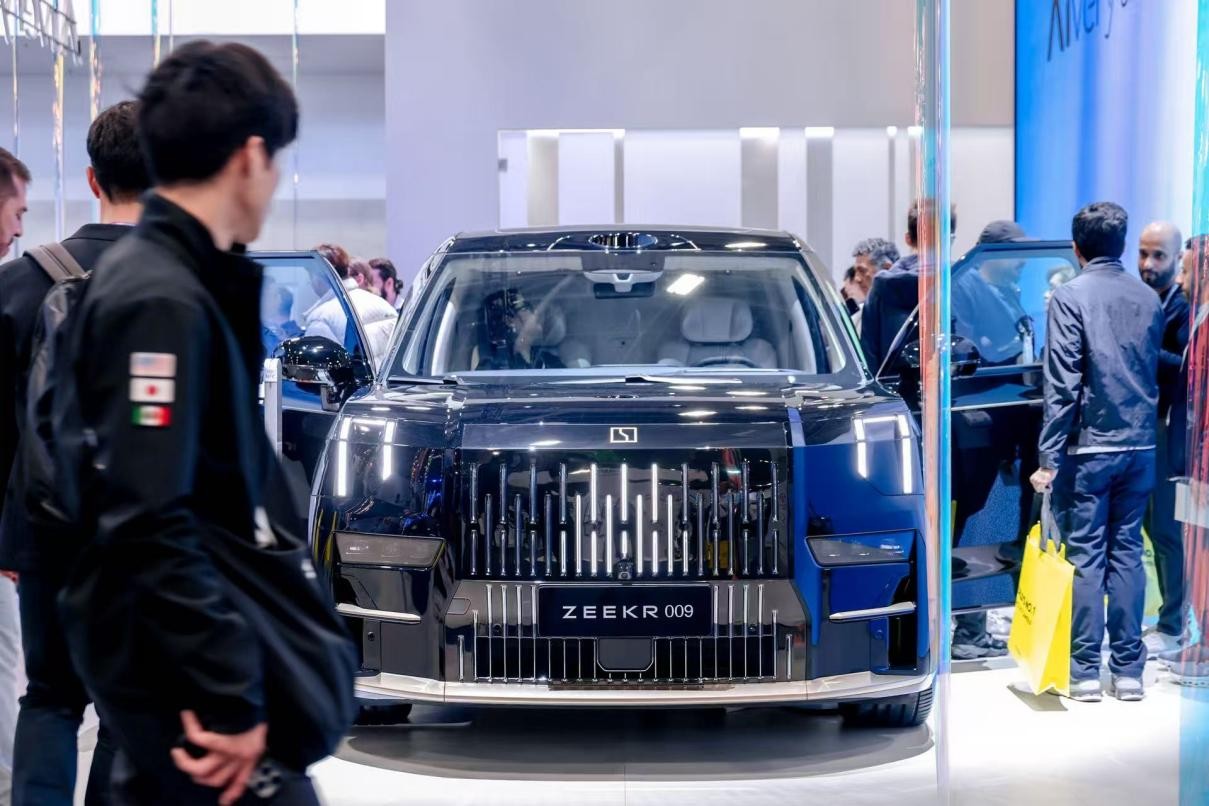
The shift is most visible in buyer behavior. China’s most affluent consumers are no longer approaching luxury purchases with the same brand-first mindset that defined earlier decades. Instead, they are evaluating vehicles through a more functional lens—focusing on daily usability, system intelligence and overall driving experience.
Advanced electronic architectures, intelligent driving assistance and seamless digital integration have become central to purchase decisions. Luxury, for these buyers, is increasingly defined by how a vehicle performs across real-world scenarios rather than by brand heritage alone.
As a result, long-standing assumptions about loyalty to traditional luxury marques are being challenged. Buyers who once defaulted to European brands are now actively cross-shopping domestic EV flagships, often at higher price points, in search of a more technology-led premium experience.
Zeekr 9X as a Flagship of China’s New Luxury
With a starting price of RMB 599,900 (approximately USD 80,000), the full-size luxury SUV sits firmly within the RMB 500,000-plus segment—territory long dominated by imported flagships.
Building on its international debut, where the model featured prominently among next-generation electric flagships drawing sustained attention from global industry and investor audiences, Zeekr’s 9X has delivered results that reinforce its positioning at the upper end of China’s luxury market.
In mainland China, the full-size SUV recorded deliveries of more than 8,000 units in November and exceeded 10,000 units in December, making it the leading seller in the RMB 500,000-plus SUV segment for two consecutive months. On several major automotive review platforms, the 9X has ranked first in its class for owner satisfaction—an outcome that aligns closely with observed shifts in high-end consumer behavior.
Notably, more than 80% of buyers are reported to be upgrading from previously owned luxury vehicles. For analysts, this migration serves as a clear indicator that competition in China’s premium segment is increasingly defined by perceived value—technology integration, system intelligence and everyday usability—rather than by price positioning or brand legacy alone.
Global Markets Are Waiting for China’s Flagship Vehicles
Even as trade barriers and tariffs complicate global automotive flows, China’s high-end EVs are beginning to attract attention well beyond domestic borders. Although the Zeekr 9X is not officially scheduled for overseas launch until 2026, early demand has already emerged through parallel export channels.
According to reports from major export hubs such as Khorgos and Tianjin, vehicles are being shipped abroad with markups typically ranging from RMB 50,000 to RMB 100,000 per unit. In certain Middle Eastern markets, including the UAE and Qatar, top-spec variants have reportedly commanded premiums of up to RMB 200,000, pushing estimated on-road prices beyond RMB 1.2 million (around USD 165,000).
Such pricing dynamics are not unusual in global luxury markets when demand exceeds supply. What sets this case apart is that buyers are willing to pay significant premiums for early access to a Chinese-made flagship—an inversion of long-standing global luxury consumption patterns.
A New Definition of Global Luxury
The rise of China’s high-end new-energy vehicles signals a broader recalibration within the global automotive industry. Features and experiences once reserved for ultra-luxury segments are rapidly becoming standard expectations in China’s premium EV offerings, raising competitive pressure worldwide.
Rather than competing on cost, these vehicles are commanding a value premium rooted in innovation. As technology, intelligence and integrated experience become the defining benchmarks of modern luxury, China’s EV flagships are no longer positioning themselves as challengers to established global norms.
They are increasingly shaping them—and global buyers are responding accordingly.